
› Forums › Web Development › HarvardX: CS50W – CS50’s Web Programming with Python and JavaScript › CS50W – Lecture 3 – Django › Where Is the `path()` Function Defined in Django? Understanding `django.urls.conf`
- This topic is empty.
-
AuthorPosts
-
March 6, 2026 at 10:13 pm #6178



When learning Django, developers often write code like this in a
urls.pyfile:from django.urls import pathThe
path()function is used to define URL routes in Django applications. However, an interesting question arises when exploring Django internally:Where is the
path()function actually defined?The answer lies inside the
conf.pyfile within Django’surlspackage.
1. Django’s Internal URL Package Structure
Django organizes its routing system inside the
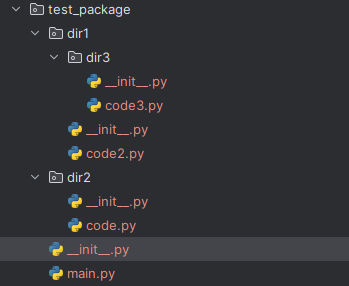
urlspackage. A simplified structure looks like this:django/ urls/ __init__.py conf.py resolvers.py converters.pyHere is what each component does:
File Purpose __init__.pyDefines what objects are exposed when importing django.urlsconf.pyContains helper functions like path()andre_path()resolvers.pyContains classes such as URLPatternused to match URLsconverters.pyDefines path converters like int,slug, etc.The
path()function lives inconf.py.
2. The
path()Function DefinitionInside
conf.py, Django defines a function similar to:def path(route, view, kwargs=None, name=None): from django.urls.resolvers import URLPattern return URLPattern(route, view, kwargs, name)This function does something important:
It creates a URLPattern object, which represents a mapping between a URL route and a view function.
3. Why We Import From
django.urlsEven though
path()is defined in:django/urls/conf.pydevelopers typically write:
from django.urls import pathinstead of:
from django.urls.conf import pathThis works because the file:
django/urls/__init__.pycontains code similar to:
from .conf import path
from .conf import re_path
from .conf import include
This makes
path()available at the package level.
4. How Python Resolves the Import
When Python sees:
from django.urls import pathit performs these steps:
- Locate the
django.urlspackage - Execute
django/urls/__init__.py - Inside
__init__.py, find:
from .conf import path- Load
conf.py - Import the
path()function - Make it available as
django.urls.path
5. Visual Flow of the Import
django/urls/conf.py
│
│ defines
▼
path()
│
│ exported through
▼
django/urls/__init__.py
│
│ imported by
▼
from django.urls import path
So even though the function lives in
conf.py, Python exposes it through thedjango.urlspackage interface.
6. Why Frameworks Use This Pattern
Large frameworks design their packages this way to provide a clean public API.
Instead of forcing developers to write:
from django.urls.conf import pathDjango allows a simpler and cleaner import:
from django.urls import pathBenefits of this approach:
- Cleaner code
- Easier imports
- Internal modules can change without breaking user code
- Better separation between public API and internal implementation
7. Key Concepts Learned
Understanding this small piece of Django introduces several important Python concepts:
Concept Explanation Python package Folder containing modules Module Individual Python file like conf.py__init__.pyDefines what a package exposes Relative imports from .conf import pathFramework API design Simplifying imports for developers
Final Takeaway
Although developers write:
from django.urls import paththe function
path()is actually defined in:django/urls/conf.pyThe file
__init__.pyinside theurlspackage imports and exposes that function, allowing Django to provide a clean and developer-friendly import interface.Understanding this mechanism helps developers gain deeper insight into how Django and Python packages are structured internally.
- Locate the
-
AuthorPosts

- You must be logged in to reply to this topic.